Do applicant tracking systems understand context?

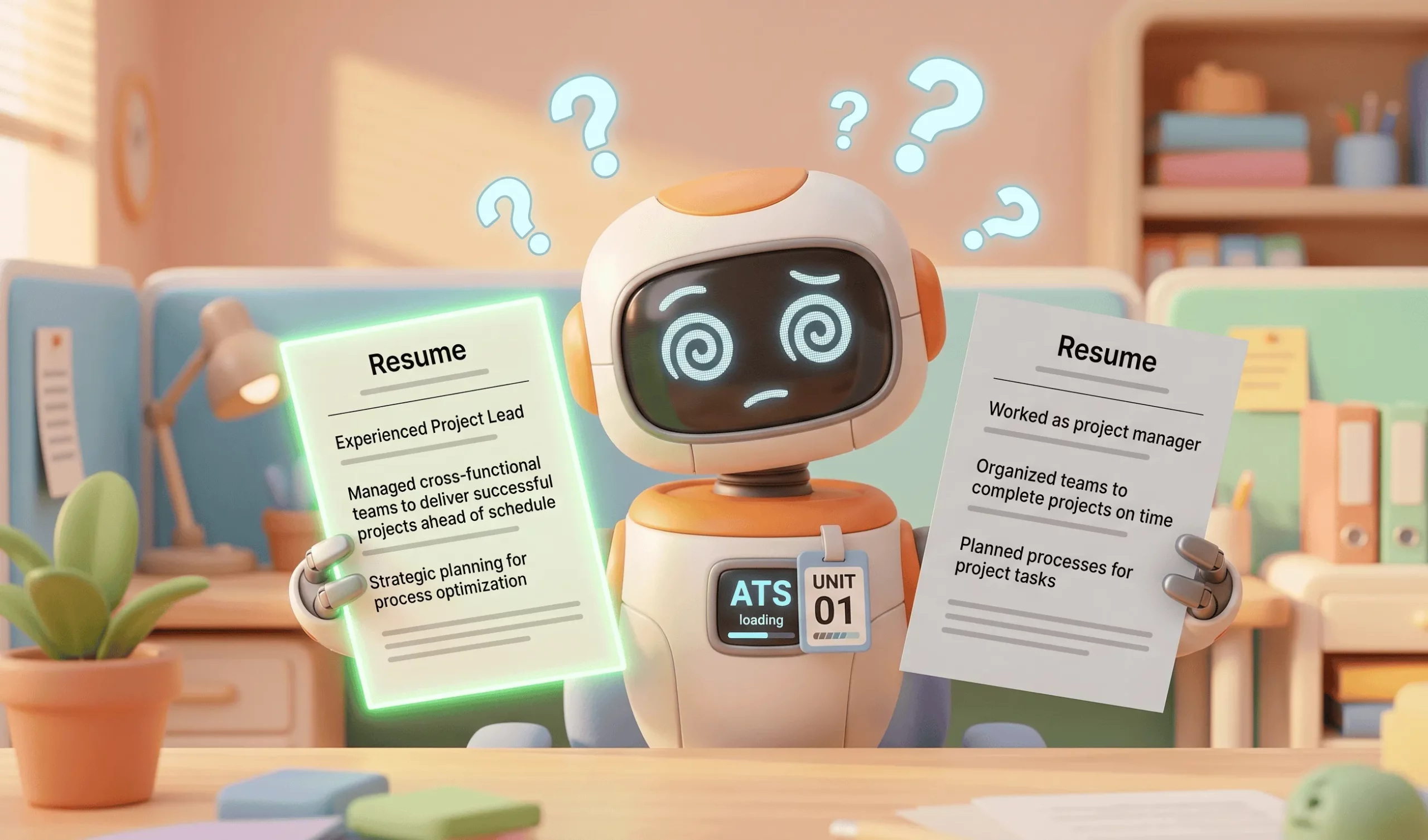
No. A few ATS platforms are capable of catching such equivalences explicitly stated in the job post. However, the definition of the term "context" used by recruitment software differs drastically from recruiters' understanding of the concept - and that's how great talent ends up falling through the cracks.
The latter understands that "owned the P&L" and "managed the profit and loss" mean the same thing. The software, however, sees a resume and a search query as texts and tries to find matches between them based on literal correspondence.
There is a limited degree of synonym recognition in some platforms, but it is crucial to realize what this function is capable of doing (and what it isn't).
What "context matching" means for an ATS
People tend to conflate the following notions when talking about context recognition, and that's how two completely different processes turn into something that cannot exist at all.
Synonym recognition: can the platform recognize that "led" equals "managed," or "P&L" equals "profit and loss"? Yes or no. Depending on whether this synonym database is implemented in a platform or not.
Semantic inference: can the software understand that a person "who built a team from scratch" definitely has leadership skills? Definitely not. This is the thing that only large language models can do.
An applicant who states that he or she "grew the engineering team from 4 to 22 people" has obviously demonstrated leadership skills. However, the system will fail to notice such experiences, as "team building" or "people management" won't appear in their resume unless they wrote those exact words.
Context matching: where it catches you, and where it doesn't
How context matching affects writing your resume
Do not rely on semantic inference when writing your resume. Even though you and a recruiter know that "working with cross-functional partners" means stakeholder management, the system will never make this connection and will skip a resume with such phrasing. Use the exact wording from the job post in relevant places: summary section, previous job titles, first bullet of every position described in detail.
String-matching is not the end of the road. The HR person will still open the resume. The idea is to get through that first filter without ruining the document. Here's what it looks like when your resume literally copies the job description.
If you need more details on keyword recognition capabilities in various platforms, check out the main ATS keywords guide.