The Best AI Job Search Tools: Platform Reviews for 2026


In 2026, job hunting feels endless. Rising posting volumes, applying everywhere, plus silent employers create deep frustration. Recent surveys confirm most applicants receive zero responses post-submission, driving massive uncertainty.
Here, AI-powered systems prove vital, eclipsing traditional boards. Modern platforms deliver intelligent matching, resume building, plus automated submissions. We review top AI job search systems available today. Instead of pushing one platform, our goal involves explaining system mechanics alongside identifying optimal user types per tool.
Why Use AI Job Search Tools Now?
Labor markets hit an inflection point. Recruiters skip manual resume skimming; they deploy sophisticated AI filters identifying talent instantly. Job seekers face new risks. Rejection hurts less than algorithm invisibility—missing perfect opportunities.
However, machines shouldn’t hijack careers. Control trumps pure automation. You need software handling grunt work while keeping final approval human. Core benefits include:
- Opportunity Protection: Never miss relevant postings during 24/7 market cycles.
- Reliable Filtering: Accurately respect salary, location, plus role requirements before applying.
- ATS Optimization: Craft documents passing technical screens without losing human voice.
- Administrative Relief: Automated tracking replaces messy spreadsheets, keeping focus upon interview prep.
Evaluation Criteria
We analyzed system offerings against current hiring trends plus labor market statistics. Research studies (U.S. Bureau of Labor Statistics) indicate today’s candidates face extended hiring phases alongside heightened competition. Our evaluation targeted six pillars:
- Matching accuracy based upon profile data.
- Automation depth (autopilot vs. manual approval).
- Resume support (ATS customization).
- Application tracking visibility.
- Platform usability.
- Flexibility across diverse search goals (career pivots vs. broad volume).
Top AI Job Search Systems 2026
No single “best” tool exists. Every platform below offers distinct approaches. Today, tool effectiveness relies upon navigating 95% automated screening environments.
1. Skillora.ai
While most tools focus upon hitting “apply”, Skillora.ai addresses live interview anxiety. It became top-choice among candidates fearing robotic delivery or losing composure during high-stakes calls.
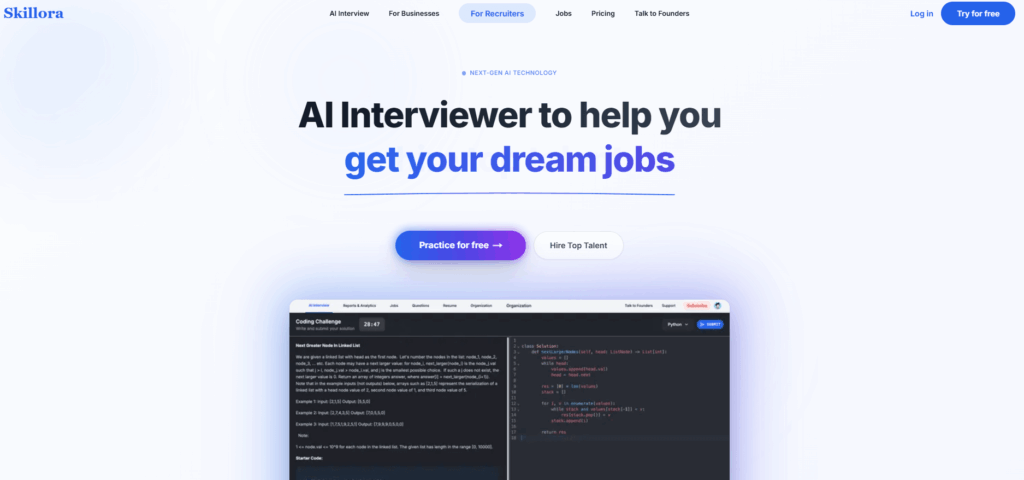
Instead of static question lists, Skillora uses adaptive AI listeners. It asks dynamic follow-ups based upon previous answers, forcing quick thinking—mimicking human recruiters.
Important Nuance: Skillora functions purely as coaching software. It won’t find jobs or automate applications. Pricing starts near $10/month; advanced video analysis requires premium tiers.
✔ Pros
- Realistic Pressure: Adaptive AI asks tailored follow-ups.
- 24/7 Availability: Practice anytime without human partners.
- Video Analysis: Fix non-verbal cues plus speech patterns.
✖ Cons
- Limited Free Access: Full reports require subscriptions.
- Narrow Scope: Excludes job discovery plus submissions.
2. Sonara
Sonara helps seekers prioritizing efficiency plus volume. It remains streamlined “autopilot” software. Philosophy: remove manual searching burdens entirely, allowing candidates consistent market presence.
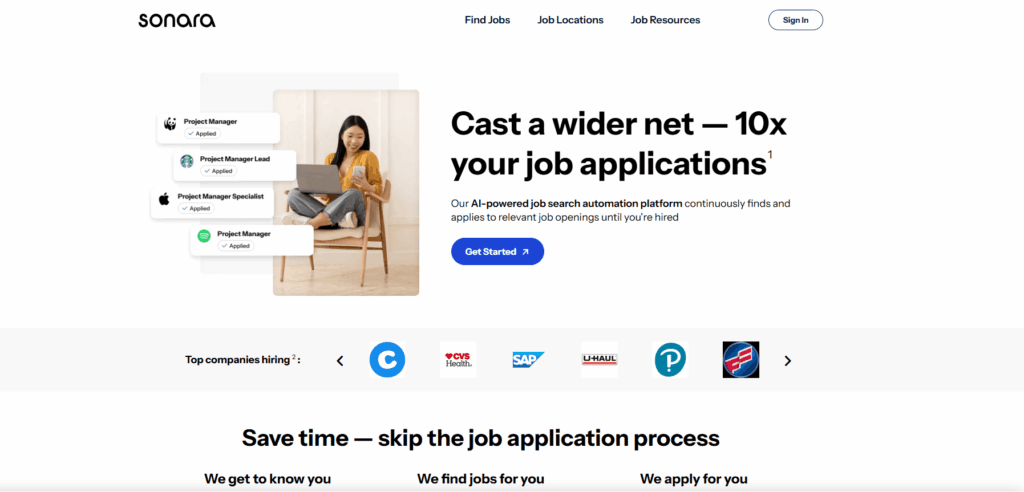
Important Nuance: Because Sonara targets speed, it offers minimal manual intervention. Autopilots struggle within specialized industries using complex screening questions.
✔ Pros
- Scalability: Applies instantly once roles go live.
- Passive Friendly: Stay active minus daily effort.
- Simple Dashboard: Clean interface, easy setup.
✖ Cons
- Limited Tailoring: Harder customizing details targeting “dream” companies.
- Not Niche Suited: Executive roles demand manual oversight.
3. JobHire.AI
JobHire.AI functions as an end-to-end ecosystem organizing chaotic recruitment processes. Rather than focusing upon single tasks, this platform integrates discovery, tailoring, plus submission into one unified pipeline.
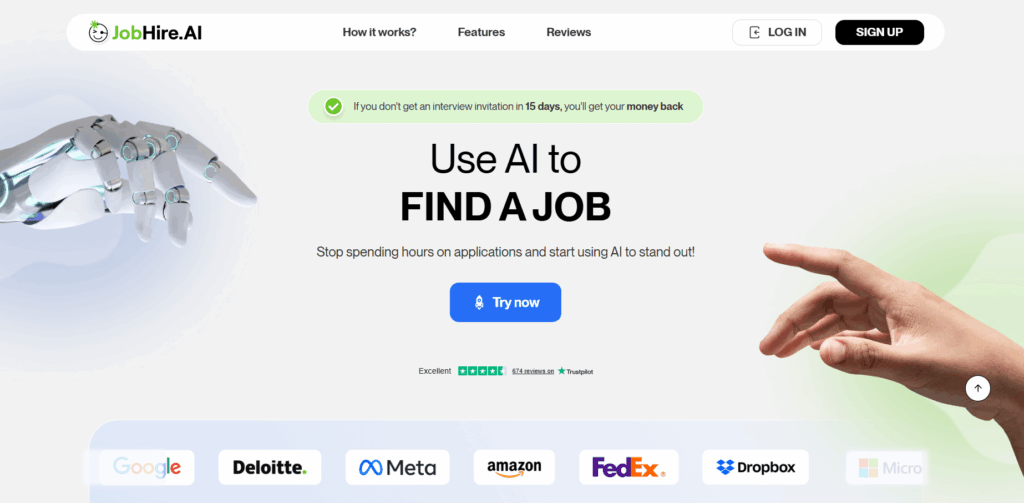
Systems analyze work history against current market demands. Goal: surface opportunistic roles manual searches overlook, prioritizing workflows where human judgment remains final filter.
Important Nuance: Pricing transparency requires registration. Interfaces heavily optimize high-volume output; users must fine-tune filters carefully preventing irrelevant applications.
✔ Pros
- Covers full search lifecycles.
- Organized tracking eliminates spreadsheets.
- Useful targeting ATS-tailored resumes.
✖ Cons
- Generated documents still need final review.
- Less suited targeting highly creative academic roles.
4. Careerflow
Careerflow.ai acts as strategic management hubs. Primary choice targeting personal branding plus recruiter visibility over raw application volume. It treats job searches like sales pipelines.
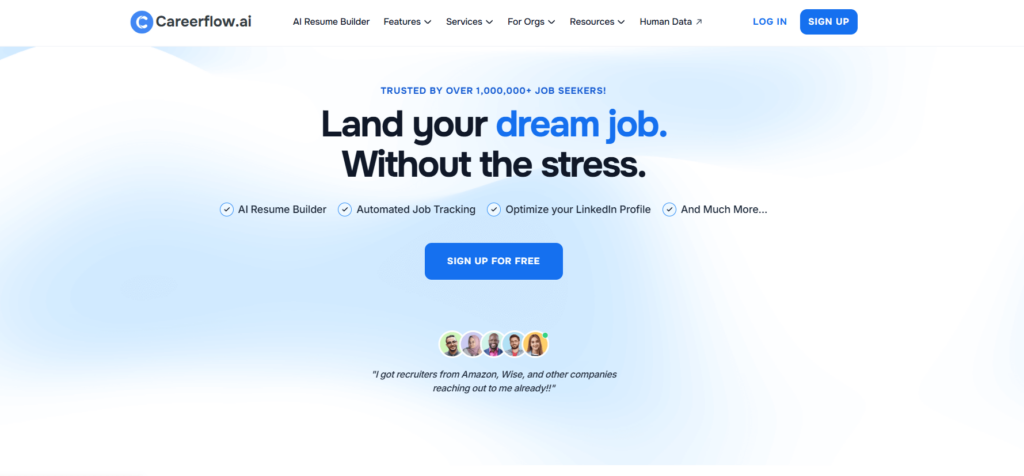
Important Nuance: Automation isn’t priority here. Platforms require significant manual effort per application. Free tiers restrict usage; meaningful features require premium subscriptions ($24/month).
✔ Pros
- Recruiter Attraction: High-tier LinkedIn optimization.
- CRM: Tracks networking visually.
- Human-Centric: Ideal targeting senior professionals.
✖ Cons
- Low Automation: Zero “Set-Forget” submission features.
- Restrictive Free Plan: Limits users.
5. aIapply
AIApply.co builds rapid application materials. Core strength involves asset customization—specifically resumes plus cover letters tailored per job description via language models.
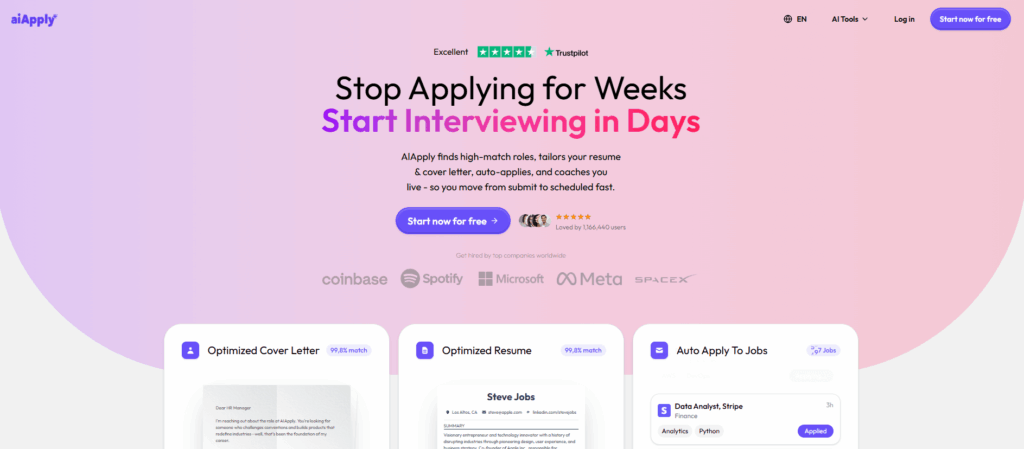
Important Nuance: Uses credit-based systems managing automated applications; allows volume control but requires budget management. Base subscriptions exclude full automation.
✔ Pros
- Rapid Drafting: Instant tailored resumes.
- Multilingual: Built-in global translation.
- Prep: AI “buddy” provides live talking points.
✖ Cons
- Layered Pricing: Extra credits needed automating auto-apply.
- Generic Templates: High-volume output lacks deep personalization.
6. JobCopilot
JobCopilot focuses upon “continuous loops” searching plus applying, keeping candidacy active 24/7. Recognized as high-capacity engines capable submitting 50 applications daily across standardized industries.
Important Nuance: JobCopilot utilizes weekly billing ($8.90–$12.90/week), becoming expensive during long-term searches compared against standard monthly plans.
✔ Pros
- High Output: Manages 50 daily applications.
- Verified Sources: Prioritizes official company career pages.
✖ Cons
- Recurring Costs: Weekly billing adds up.
- No Builder: Requires existing solid resumes starting out.
7. Loopcv
Loopcv.pro treats job searching like ongoing marketing cycles. Core logic revolves around “loops”—automated workflows continuously scanning, filtering, plus applying across multiple global boards.
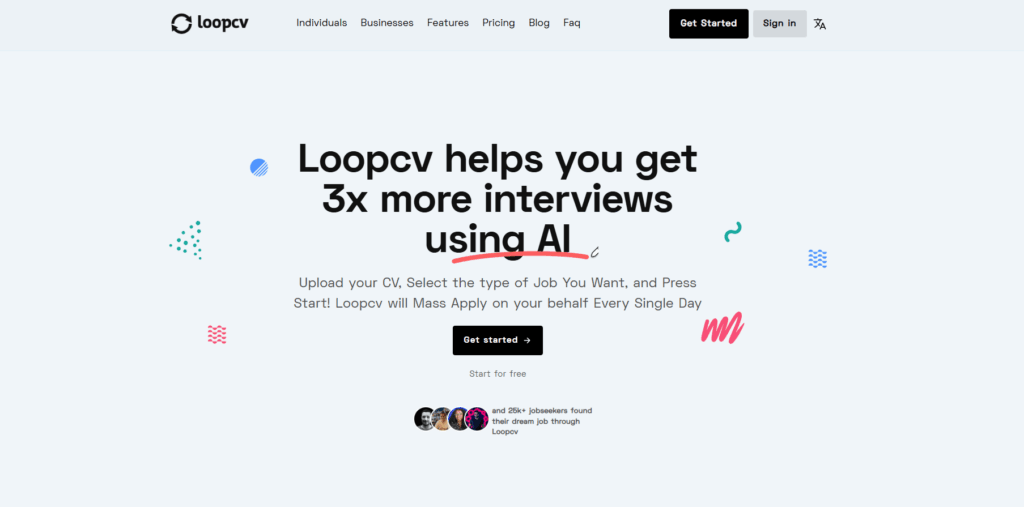
Important Nuance: Steeper learning curves. Setting up effective loops requires keyword experimentation. Internal pricing stays tiered; higher limits reserved inside premium plans.
✔ Pros
- Continuous Discovery: Loops stay active 24/7.
- A/B Tracking: Tests different resume versions.
- Mass Outreach: Sends direct recruiter emails.
✖ Cons
- Setup Complexity: Needs constant tuning.
- Interface Density: Data-heavy dashboards intimidate beginners.
Selecting Optimal AI Job Search Tools
Selection depends upon your goals. If speed plus high-volume opportunities matter most, choose automation-driven platforms. If tailoring each submission matters more, focus upon resume optimization tools.
| Feature | Skillora | Sonara | JobHire.AI | Careerflow | AIapply | JobCopilot | Loopcv |
|---|---|---|---|---|---|---|---|
| Auto-Apply | No | Yes | Yes | No | Yes | Yes | Yes |
| ATS Optimization | Yes | Yes | Yes | No | Yes | Yes | Yes |
| LinkedIn Analysis | No | No | No | Yes | No | No | No |
| App Tracking | No | Yes | Yes | Yes | No | Yes | Yes |
| Interview Prep | Yes | No | No | Yes | Yes | Yes | Yes |
Most users combine platforms meeting diverse needs. AI assistants excel paired with networking, proper preparation, plus sound decision-making.
Review these offerings identifying optimal assistants fitting 2026 career plans. Leverage tools matching specific industry requirements plus comfort levels regarding automation.